Getting Ready for Summer Activities – Motorcycle Helmet Designs
July 8, 2025
July 8, 2025


Rev up your engines and fasten your helmets, because we’re diving headfirst into the world of motorcycle helmets! Whether you’re a regular commuter or a laid-back cruiser enjoying the open road, your helmet is your best friend when you’re riding. Motorcycle helmets are life-saving safety equipment that combine style, comfort, and safety technologies to protect you in the event of a collision. In the final installment of our three-part series, we’ll explore various motorcycle helmet designs and safety certification standards.
The primary purpose of a motorcycle helmet is to protect the rider’s head during an impact. Helmets are designed to absorb the energy of an impact, which significantly reduces the forces transmitted to the skull and brain. Beyond protection, helmets also offer riders other benefits, such as shielding the rider’s face from wind, dust, and debris, which can be distracting and potentially dangerous.
Motorcycle helmets come in various designs, each catering to different types of riding and personal preferences:
-1- Full-face helmets (Figure 1): These provide the most comprehensive protection, covering the entire head and face. They are ideal for all types of riding, especially at high speeds, offering maximum safety and noise reduction. Because full face helmets cover the entire head, they are the safest option among all types of helmets. They reduce the risk of head injury by providing extra coverage and strength around the entire skull of the rider, including to the face. Nearly 50% of severe impacts affect the front of a helmet during an accident, and only full-face helmets have been certified to protect the rider’s chin and jaw.[1]
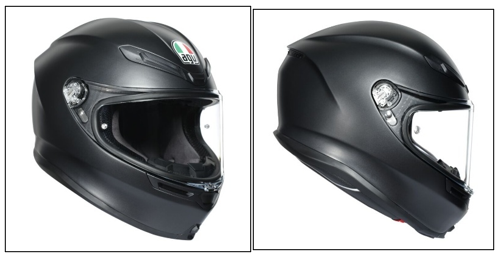
Figure 1: Exemplar full-face motorcycle helmet.[2]
-2- Open-face helmets (Figure 2): These helmets cover the top, back, and sides of the head, but leave the face exposed. They are popular among cruiser and scooter riders, providing a more open feel while offering substantial protection. In general, the open-face helmet provides the same protective capability for the rider’s skull as the full-face helmet, except for when impact is to the face.
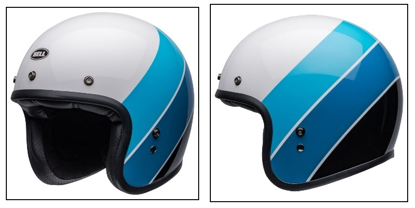
Figure 2: Exemplar open-face motorcycle helmet.[3]
-3- Modular helmets (Figure 3): Also known as flip-up helmets, these helmets offer the versatility of a full-face helmet with the convenience of an open-face helmet. The chin bar can be flipped up, making it easier to communicate or take a quick break, without removing the helmet entirely. When fully assembled and closed, this helmet resembles a full-face helmet by having a chin-bar for absorbing impacts to this area. The chin bar can be pivoted upwards to allow access to the face, providing the openness of the open-face helmet.
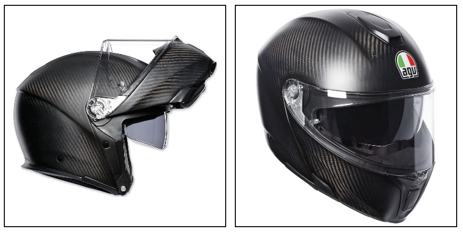
Figure 3: Exemplar modular motorcycle helmet.[4]
-4- Half-helmets (Figure 4): Covering only the top of the head, these helmets offer the least protection but are favoured for their lightweight and minimalist design. They are often used by riders who prioritize style and comfort over maximum safety. The half helmet essentially has the same front design as the open face helmet, but without the lowered rear to protect the back of the skull and upper neck. Half helmets provide the minimum coverage generally allowed by some certification standards by covering only the top half of the head and offering no direct protection for the face from the ears down. From a biomechanics perspective, this is the least favourable option of the helmet designs.

Figure 4: Exemplar motorcycle half-helmet.[5]
Impact Attenuation Standards
To ensure safety, motorcycle helmets must meet specific impact attenuation standards set by various organizations worldwide. These standards test helmets for their ability to absorb impact energy and protect the rider’s head. Some of the most recognizable standards include:
To confirm that your helmet is certified, look for a label inside or on the back of the helmet. This label will tell you the manufacturer, the manufacture date, the model, and the certification ID (Figure 6).
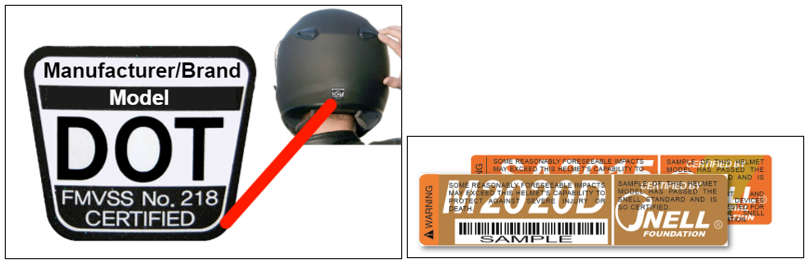
Figure 5: Examples of certification labels.[6],[7]
Recall from our article last week about skateboarding helmets that helmet performance cannot be interpreted by external appearance. A recent article published by CBC Marketplace found that some motorcycle helmets purchased on popular websites would crack and fall apart in a crash, and that the safety certifications on them were counterfeit.[8] A key difference between certified helmets and non-certified helmets is the interior protection. Non-certified helmets will have comfort lining in the helmet but will lack the interior protection of a thick impact absorbing liner. To ensure you’re purchasing/using a certified motorcycle helmet, check for these key design features:
-1- Weight of the helmet – beware of extremely light helmets. Uncertified helmets can weigh as little as one pound or less, while certified helmets generally weigh about 3 pounds.
-2- Inner liner thickness – helmets that meet certification requirements typically have an expanded polystyrene (stiff foam) inner liner that is at least ¾-inch thick. Uncertified helmets may have an inner liner that is thinner than this, with only a soft foam padding liner for comfort (Figure 6).
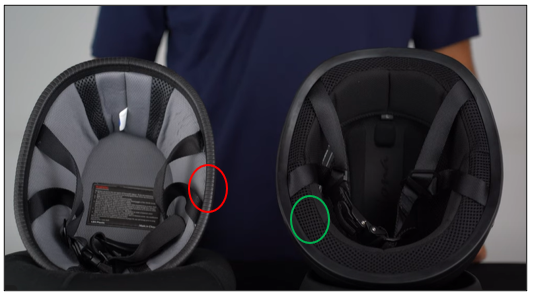
Figure 6: Example of a non-certified (left) and certified (right) helmet. The certified helmet is designed with a thick impact absorbing liner (highlighted in green), compared to the non-certified helmet which has only the comfort liner.[9]
-3- Sturdy chin strap and rivets – certified helmets are tested to ensure the chin strap does not disengage during a collision. You should not be able to pull on a closed chin strap and have the fasteners disconnect.
-4- Manufacturer’s labelling – manufacturers are required to place a label on the inside of the helmet stating the manufacturer’s name and instructions to the purchaser that include construction materials and warnings regarding the care and use of the helmet.[10]
As you gear up for summer fun, remember to check your helmet to confirm it’s certified, or consider whether you need a new one based on certification date or design safety considerations. After all, you’ll enjoy cruising that much more knowing you are safe and protected.
[1] Michael Padway. (January 3, 2024). A Beginner’s Guide to Types of Motorcycle Helmets. [https://motorcyclelegalfoundation.com/types-of-motorcycle-helmets].
[2] Revzilla (2025). AGV K6 Helmet. [https://www.revzilla.com/motorcycle/agv-k6-helmet].
[3] Revzilla (2025). Bell Custom 500 Riff Helmet. [https://www.revzilla.com/motorcycle/bell-custom-500-riff-helmet].
[4] Revzilla (2025). AGV Sportmodular Carbon Helmet. [https://www.revzilla.com/motorcycle/agv-sportmodular-carbon-helmet].
[5] Revzilla (2025). Bell Pit Boss Helmet. [https://www.revzilla.com/motorcycle/bell-pit-boss-helmet-solid].
[6] National Highway Traffic Safety Administration (2025). Choose the Right Motorcycle Helmet Before You Hit the Road. [https://www.nhtsa.gov/motorcycle-safety/choose-right-motorcycle-helmet].
[7] Snell Foundation. (2025). How to choose the right helmet. [https://smf.org/helmetguide].
[8] Cowley, J. (November 26, 2022). Motorcycle helmets bought from online platforms had counterfeit safety certifications, test finds. [https://cbc.ca/news/business/motorcycle-helmets-online-counterfeit-safety-1.6664654].
[9] Daytona Helmets. (September 24, 2024). Daytona Helmets – Real vs Fake D.O.T. half shells motorcycle helmets. [https://www.youtube.com/watch?v=mQG0hqroMO0].
[10] National Highway Traffic Safety Administration. (September 2019). How to Identify Unsafe Motorcycle Helmets. [https://www.nhtsa.gov/sites/nhtsa.gov/files/documents/14283-identify_unsafe_motorcycle_helmets_070919_v4_tag.pdf].
